

Trauma-Informed Care

Healing Happens in Safe, Empowering Spaces
Every program at Youth Home is rooted in trauma-informed care — an approach that recognizes how past experiences shape behavior, and how healing begins in the context of secure relationships with rich connections, safety, and trust.
Our staff is trained to understand, recognize, and respond to trauma with empathy, consistency, and clinical expertise. We place an emphasis on real curriculum and our staff have completed a 36-hour training program with a focus on forging real connection.

Why It Matters
Research shows that trauma early in a child’s development can have lasting effects — not just emotionally, but physically and neurologically. The CDC reports that more than 60% of adults have experienced at least one adverse childhood experience (ACE), and nearly a quarter have experienced three or more. That’s why trauma-informed care isn’t optional — it’s essential.
With our niche focus on Reactive Attachment Disorder (RAD) and other attachment traumas/disorders, trauma-informed care is imperative in our approach and a marker of our success.

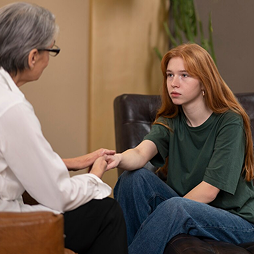
What Trauma-Informed Care Means
- Prioritizing physical and emotional safety
- Empowering youth with choice and voice
- Building trust through compassion and consistency
- Supporting resilience through skill-building and healthy relationships
- Rebuilding ruptured relationships in families and within deeply wounded youth and teens, ensuring there is connection before correction
Our clinicians use evidence-based therapies like Cognitive Behavioral Therapy (CBT) and Trauma-Focused CBT (TF-CBT) — structured approaches that help youth process trauma, replace harmful thought patterns and build healthy coping and interpersonal skills — shifting the lens from “what’s wrong with you?” to “what happened?”

How We Put Trauma-Informed Care into Practice
At Youth Home, trauma-informed care isn’t just a clinical model — it’s a shift in culture. Across our entire organization, we:
- Realize the widespread impact of trauma
- Recognize signs and symptoms in clients, families, and staff
- Actively work to avoid re-traumatization
- Integrate trauma-informed principles into every policy, procedure, and interaction